Peony ants, often found on blooming peony flowers, play a unique role in the plant’s life cycle. These ants are not harmful to the plants; instead, they contribute to the peony's blooming process. This article delves into the symbiotic relationship between peony ants and flowers, exploring common misconceptions and industry insights from entomology experts, while thoroughly examining the ecological significance and benefits of these ants.
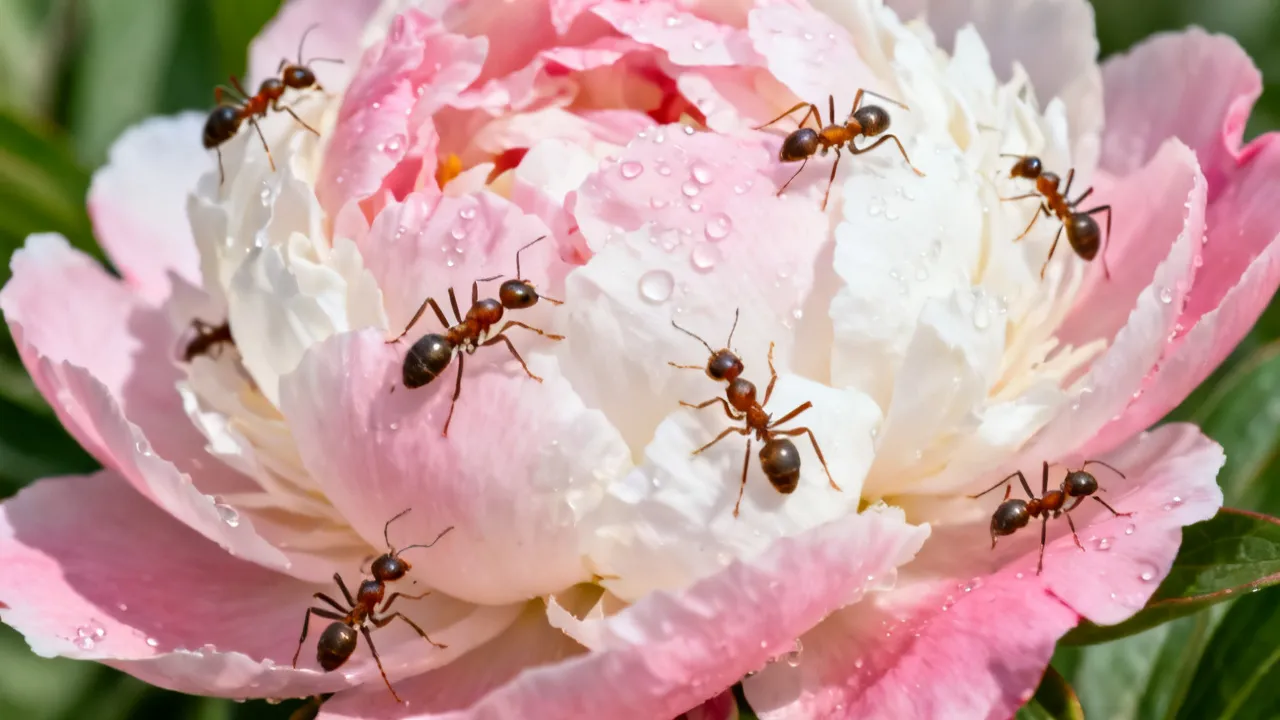
Peony ants are small insects that are frequently spotted on peony buds just as the flowers are preparing to bloom. These insects belong to various species of ants that have learned to exploit the nectar produced by peony plants. Contrary to common belief, these ants are not detrimental to the plant. In fact, they play an integral part in the blossoming of peonies. This interaction is a textbook example of mutualism, a form of symbiotic relationship where both organisms benefit. Understanding these fascinating insects can provide gardeners with insights into their garden ecosystems and promote better gardening practices.
Peony plants secrete a sweet, sticky substance known as nectar, which is rich in sugars and serves as an attractant for ants. This sugary secretion not only nourishes the ants but also creates a vital link in the ecosystem. The ants, in turn, provide protection to the peony plants. They help deter harmful insects by aggressively guarding their food source, often targeting aphids or other pests that might otherwise infest the plant. This natural form of pest control allows peony flowers to bloom undisturbed, ensuring that these beautiful blooms can develop without being compromised by unwanted visitors.
Moreover, as ants traverse the buds, they can inadvertently assist in the process of pollination. While the primary pollinators of peony flowers are butterflies and bees, the movement of ants among the blossoms can facilitate the transfer of pollen from one bloom to another. This accidental pollination can enhance the reproductive success of the plants and contribute to the overall vitality of the garden.
Many gardeners worry that ants may harm their peonies or that an infestation might spread to other parts of the garden. However, ants are primarily interested in the nectar, not the plant itself. Unlike aphids or scales, which suck sap and damage plant tissues, ants do not display destructive behaviors toward peonies. Their presence is transient and generally limited to the blooming season of peony flowers. This seasonal appearance makes their impact easy to manage for the homeowner.
Another common misconception is that the presence of peony ants is a sign of poor garden health. On the contrary, a thriving ant population is indicative of a healthy ecosystem. These resilient insects contribute to the aeration of soil, help in the decomposition of organic matter, and promote nutrient cycling. Their presence can indicate that the garden has a supportive environment for a variety of organisms, which is essential for maintaining balance and biodiversity.
| Aspect | Explanation |
|---|---|
| Pest Control | Ants help keep harmful insects away from the peonies by attacking potential threats. |
| Pollination Support | While ants are not primary pollinators, their movement can contribute to the pollination process. |
| Temporary Presence | Ant populations on peonies do not typically spread to other areas as their activities are seasonal. |
| Soil Aeration | Ants dig tunnels in the soil, which permits air and water to penetrate more effectively. |
| Indicator Species | A thriving ant population suggests a balanced and healthy garden ecosystem. |
The relationship between ants and peonies demonstrates the complexity of ecological interactions within a garden. Ants form part of a broader ecosystem, contributing to soil aeration and the breakdown of organic material, which is crucial for maintaining soil health and fertility. Their foraging activities enhance the distribution of nutrients within the soil, fostering a conducive environment for other plants as well.
Furthermore, peony ants play a role in seed dispersal. Some ant species illustrate this behavior naturally, carrying seeds to their nests and serving as agents of seed spread. Although peony ants primarily focus on the nectar of peonies, they contribute to the overall vitality of the space they inhabit. Their presence in the garden can be regarded as an indicator of a diverse and healthy ecosystem, brimming with potential for growth and renewal. Additionally, observing ants can provide insights into the health of the local environment, allowing gardeners to gauge the effectiveness of their cultivation practices.
For gardeners interested in maintaining a healthy peony patch, it's crucial to strike a balance between encouraging the presence of beneficial ants and ensuring the overall health of the plants. Ensuring that peonies are adequately fertilized and watered is fundamental. Watering practices should take into account the specific needs of the peony plants, usually favoring deep but infrequent watering to promote deep root development.
While ants are generally harmless to peonies, overwatering or poor drainage could lead to root rot, which poses a greater risk to the flowers than the presence of any insects. Moreover, if composting organic material or mulching, gardeners should be aware that ants might be attracted to these resources, enhancing their role in nutrient cycling. Allowing ants to perform their natural role can be advantageous, as they can contribute to a healthier garden ecosystem. Notably, adopting organic gardening practices can further encourage the benefits of ant populations by fostering an environment rich in biodiversity.
From an expert standpoint, managing the relationship between ants and peonies highlights the importance of biodiversity in horticulture. Within contemporary garden design, there is a growing recognition of the role of natural insect interactions. Leading horticulturalists suggest that embracing these relationships rather than eradicating them can yield healthier plants and more vibrant gardens. Instead of viewing peony ants as pests, they can be appreciated as essential allies in the quest for a flourishing garden.
Research in sustainable gardening practices has highlighted the necessity of fostering populations of beneficial insects. The strategic incorporation of plants that attract both peony ants and pollinators can enhance not only the health of the peonies but also that of the surrounding plant life. Creating an environment that accommodates diverse life forms leads to improved resilience against pests, disease, and environmental fluctuations.
Moreover, shared experiences and research within gardening communities advocate for the importance of understanding ecological interactions. Workshops, articles, and dedicated gardening forums can help disseminate knowledge about the intricate relationships that exist within gardens, emphasizing the interconnectedness of all living organisms in promoting garden health and productivity.
Q: Are peony ants harmful to other plants?
A: Generally, peony ants are not harmful to other plants. They are primarily attracted to the nectar of peony flowers and do not usually exhibit interest in other plant species. However, their predatory behavior towards other pests might indirectly contribute to a healthier garden overall.
Q: How can I remove ants from peonies if necessary?
A: If necessary, a gentle spray with water can dislodge ants from peony buds. It's advisable to avoid using harsh chemical pesticides, as these can harm the beneficial insects and disrupt the garden ecosystem. Instead, consider using natural repellents or physical barriers to manage unwanted ant populations.
Q: Can ants affect the flowering of peonies positively?
A: Yes, while primarily feeding on nectar, ants can deter other harmful insects from infesting peonies, which can indirectly support the flowering process. By fostering a more nurturing environment for the peonies, they may also assist in the overall health and robustness of the blooms.
Q: What are some plants that attract ants but are not detrimental to garden health?
A: Certain plants, such as phacelia, sweet clover, and fennel, can attract ants while providing additional benefits to the garden. These plants not only entice beneficial insects but also support pollinators, contributing to a flourishing ecosystem.
Understanding the role of peony ants can help gardeners make informed choices about plant care and ecosystem management. Embracing their presence rather than fearing it can lead to more robust and healthier gardens. As a natural part of the blooming process, peony ants exemplify the interconnectedness of life and its subtle balances, offering a window into the harmonious chaos of nature.
Encouraging a diverse community of plants and insects, including peony ants, will not only enhance the beauty of the garden but also promote resilience against disease and pests. As more gardeners become attuned to the joys and complexities of these relationships, the trend towards sustainable practices continues to grow. Whether it be through education, community engagement, or conscious gardening practices, embracing the role of every organism, from the smallest ant to the grandest peony, becomes essential in cultivating an environment filled with life, color, and vitality.
As interest in sustainable gardening increases, there is a need for continued research into the role of ants and other beneficial insects in promoting plant health. Studies focusing on specific interactions between peony ants and various landscape factors will provide further insights into how to optimize garden productivity and biodiversity. Investigating the potential for crop rotation and companion planting strategies that enhance ant and pollinator populations could contribute to more resilient gardening practices.
Moreover, understanding the specific species of ants that inhabit gardens hosting peonies can deepen our comprehension of their ecological contributions. Research could explore aspects such as ant behavior in relation to environmental stressors and the dynamic impacts of climate change on these fascinating insects. Encouraging collaborative research between entomologists, botanists, and gardeners will foster a more comprehensive understanding of how we can work together towards creating healthier ecosystems.
Integrating peony ants into a holistic approach to garden management involves understanding the broader ecosystem. Encouraging organic practices, minimizing chemical usage, and maintaining a variety of plant species can foster habitats for beneficial insects. Practicing companion planting, which involves planting different crops in proximity for a mutual benefit, can ensure that peony ants can thrive while also supporting other insects and pollinators that are critical for the health of the garden.
Additionally, implementing strategies to manage soil health through composting, mulching, and planting cover crops can lead to improvements in both the quality of the soil and its inhabitants. With the right practices in place, a garden can provide a sanctuary for a myriad of beneficial organisms, ensuring that peony ants, along with other species, can continue to enrich the landscape for years to come.
In conclusion, the existence of peony ants serves as a reminder of the intricate relationships that define garden ecosystems. Rather than viewing them as pests, gardeners are encouraged to appreciate the valuable roles that ants play. From natural pest control to incidental pollination, these small insects contribute significantly to the health of peonies and the surrounding ecosystem.
By embracing a comprehensive understanding of the interplay between ants, plants, and the environment, we can cultivate gardens that are not only beautiful but also brimming with life, balance, and sustainability. A garden thriving with diverse plant and insect life is a testament to the interconnectedness that is the foundation of nature. As gardeners engage in this intricate dance, the potential for creating harmonious and flourishing landscapes is limited only by our willingness to understand and respect the natural world that surrounds us.
Striking the Perfect Balance: Navigating Premiums and Out-of-Pocket Expenses in Senior Insurance Plans

Explore the Tranquil Bliss of Idyllic Rural Retreats

How to Make Lasting Memories at Disneyland Attractions

Affordable Phones and Plans for Seniors

Affordable Full Mouth Dental Implants Near You
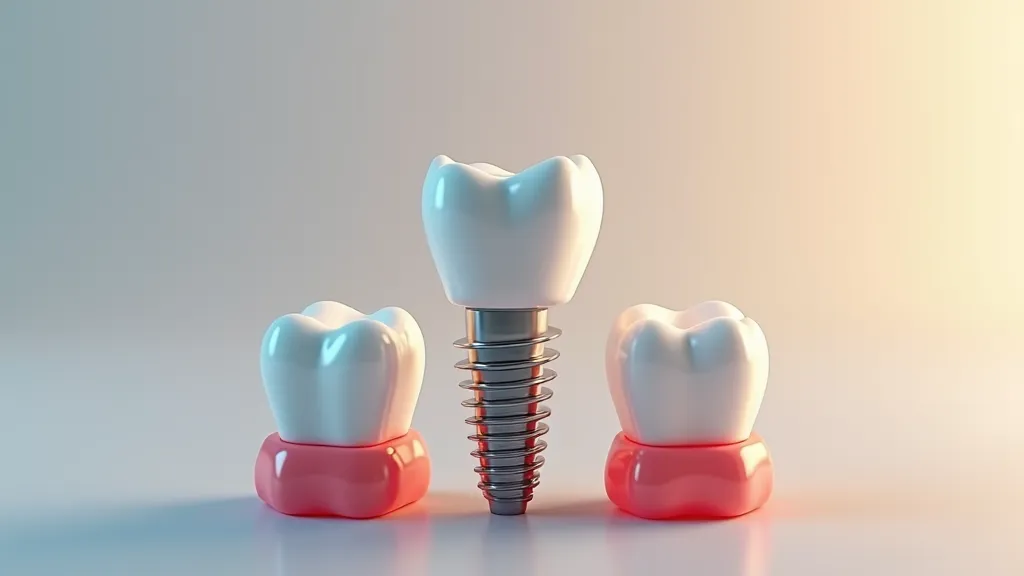
Unlock the Top Kept Secrets to Finding Your Ideal Dentist for Flawless Dental Implant Results!

Discovering Springdale Estates

Unveiling RS Sul Telecom Services

The Guide to Car Trading

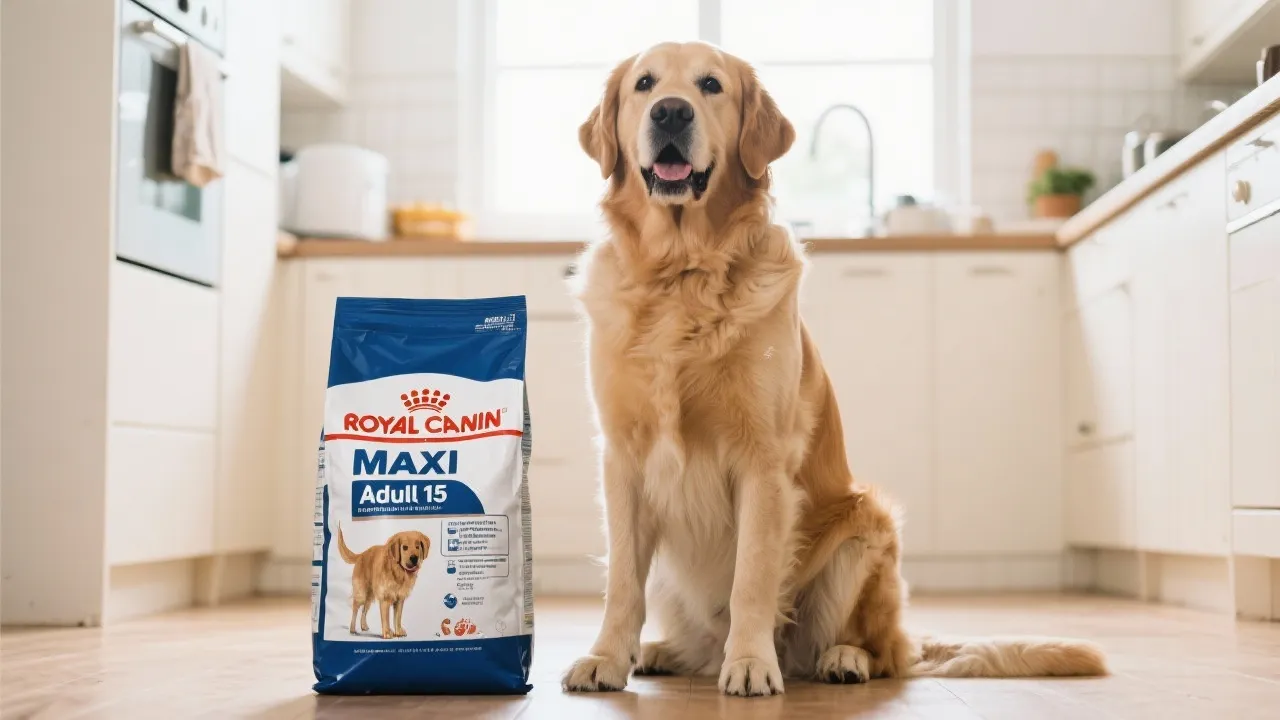
The Benefits of Royal Canin Maxi Adult
This article explores the advantages and characteristics of Royal Canin Maxi Adult 15kg, a popular choice for feeding large breed adult dogs. The product is designed to cater to the unique dietary needs of larger dogs, focusing on joint health, digestion, and maintaining healthy skin and coat. Information on its formulation and benefits offers insights into why pet owners might choose this brand.

Comprehensive Guide to Large Breed Nutrition
Royal Canin Maxi Adult 15kg is a specifically formulated dog food designed for large breed adult dogs. Developed by Royal Canin, a leader in pet nutrition, this product ensures balanced nutrient distribution to support the unique dietary needs of dogs weighing 11 to 45 kg. Its composition assists in maintaining healthy joints and bones, crucial for active large breeds.

Understanding Royal Canin Maxi Adult
This article offers insight into Royal Canin Maxi Adult 15kg dog food, designed to meet the nutritional needs of large breed adult dogs. It aligns perfectly with these pets’ specific nutritional demands, fortified with essential nutrients and formulated to support joint health. Royal Canin is an established pet food company renowned for its focus on balanced diets.
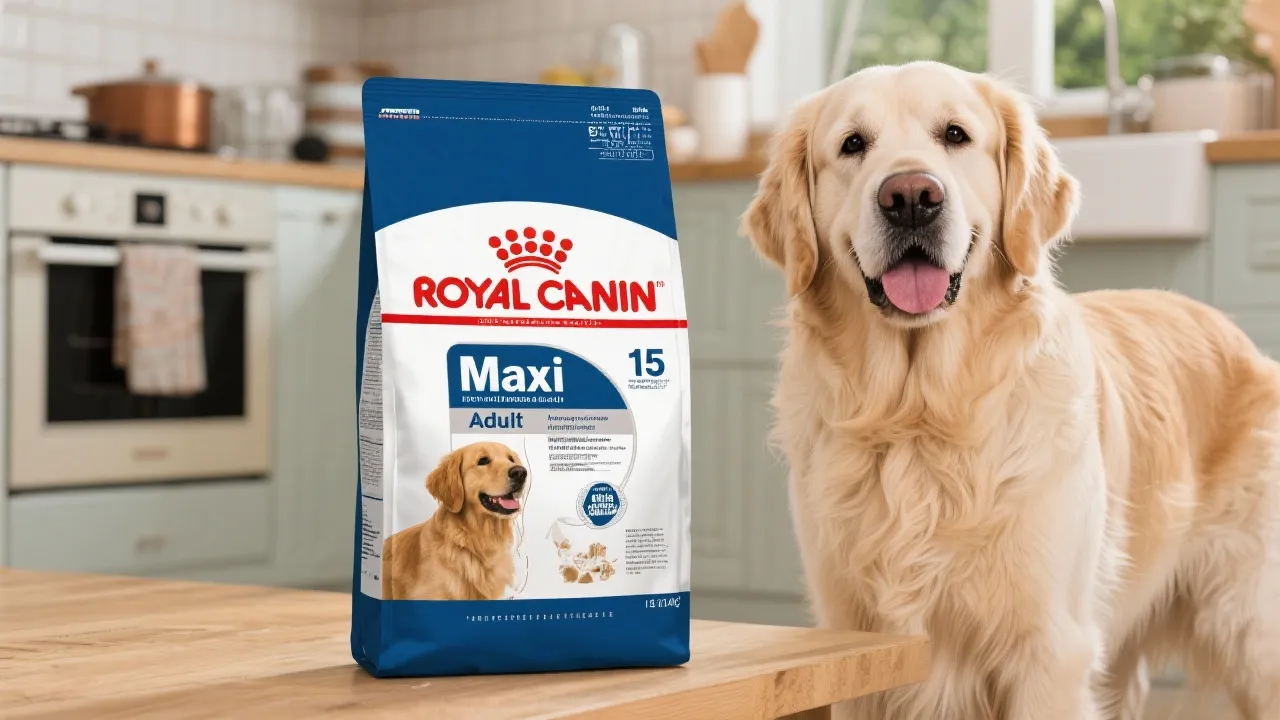
A Deep Dive into Royal Canin Maxi Adult
Royal Canin Maxi Adult 15kg is a specialized dog food designed for the nutritional needs of large breed adult dogs, typically weighing between 26-44 kg. It's formulated to support joint health, improve digestion, and provide balanced energy levels. This article offers an expert analysis of its benefits, composition, and considerations for pet owners making informed dietary choices for their large dogs.

Royal Canin Maxi Adult Insights
The Royal Canin Maxi Adult 15kg dog food is expertly formulated to meet the nutritional needs of large adult dogs. Known for its balanced composition, it supports digestive health and maintains a healthy weight, critical for dogs weighing between 26 to 44 kg. This guide delves into the benefits of Royal Canin's offering, highlighting why it's a popular choice among pet owners. Industry insights and feeding recommendations are also discussed.
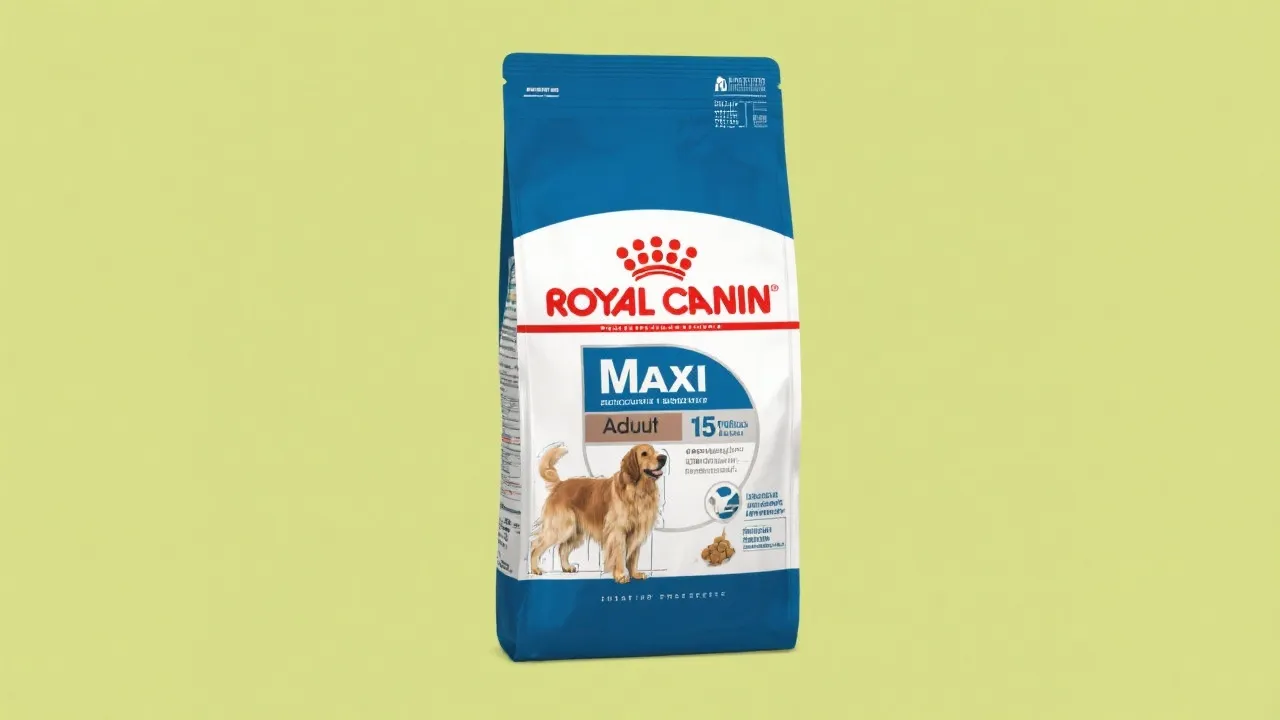
Importance of Royal Canin Maxi Adult
This article delves into the significance of Royal Canin Maxi Adult 15kg, a premium dog food designed for optimal health in large breed dogs. Combining scientific research and high-quality ingredients, it supports muscle health, digestion, and coat nutrition, making it a preferred choice for pet owners. Explore its formulation benefits, feeding guidelines, and frequently asked questions.